A strategic move to strengthen microbiota science from mechanisms to medicine


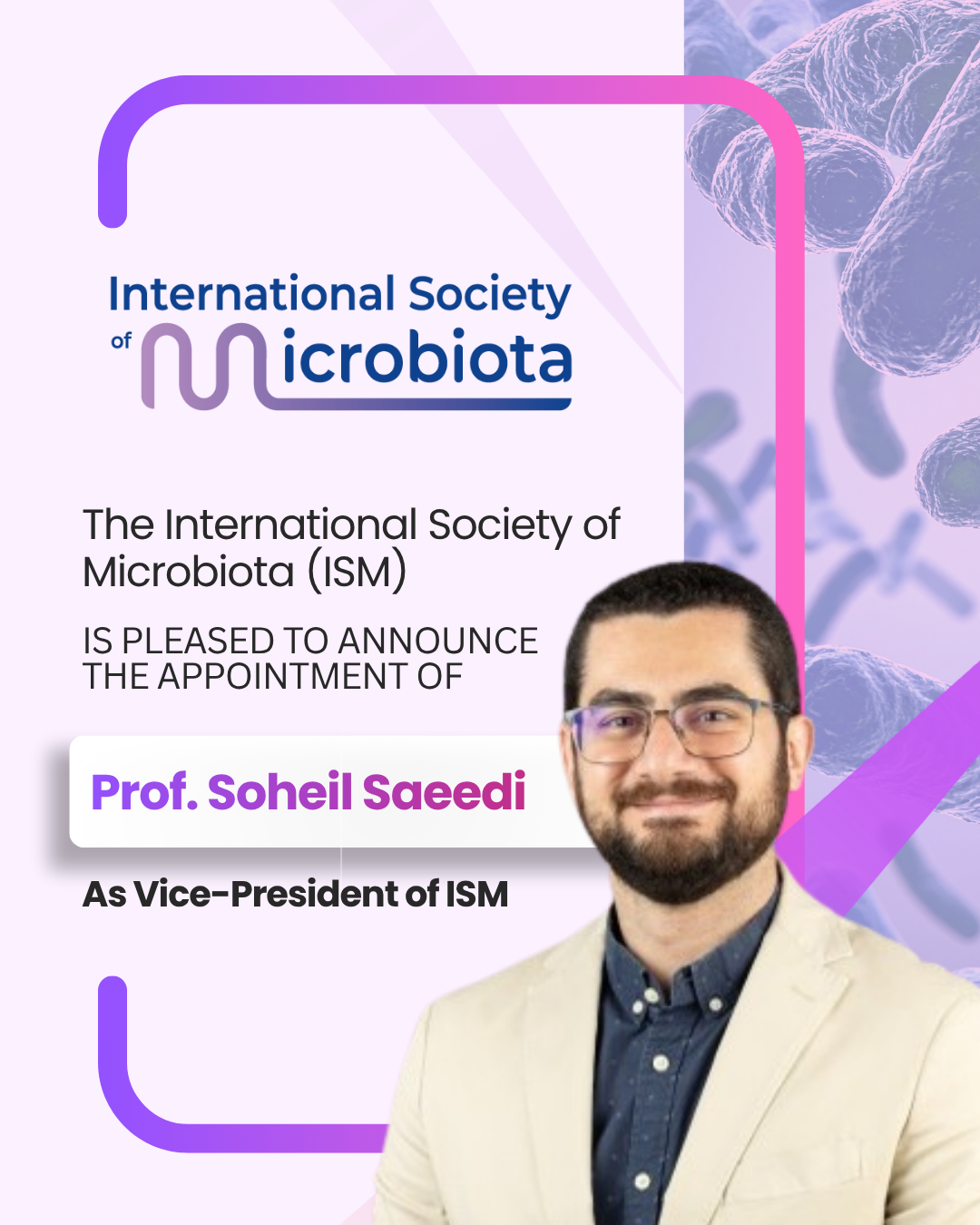
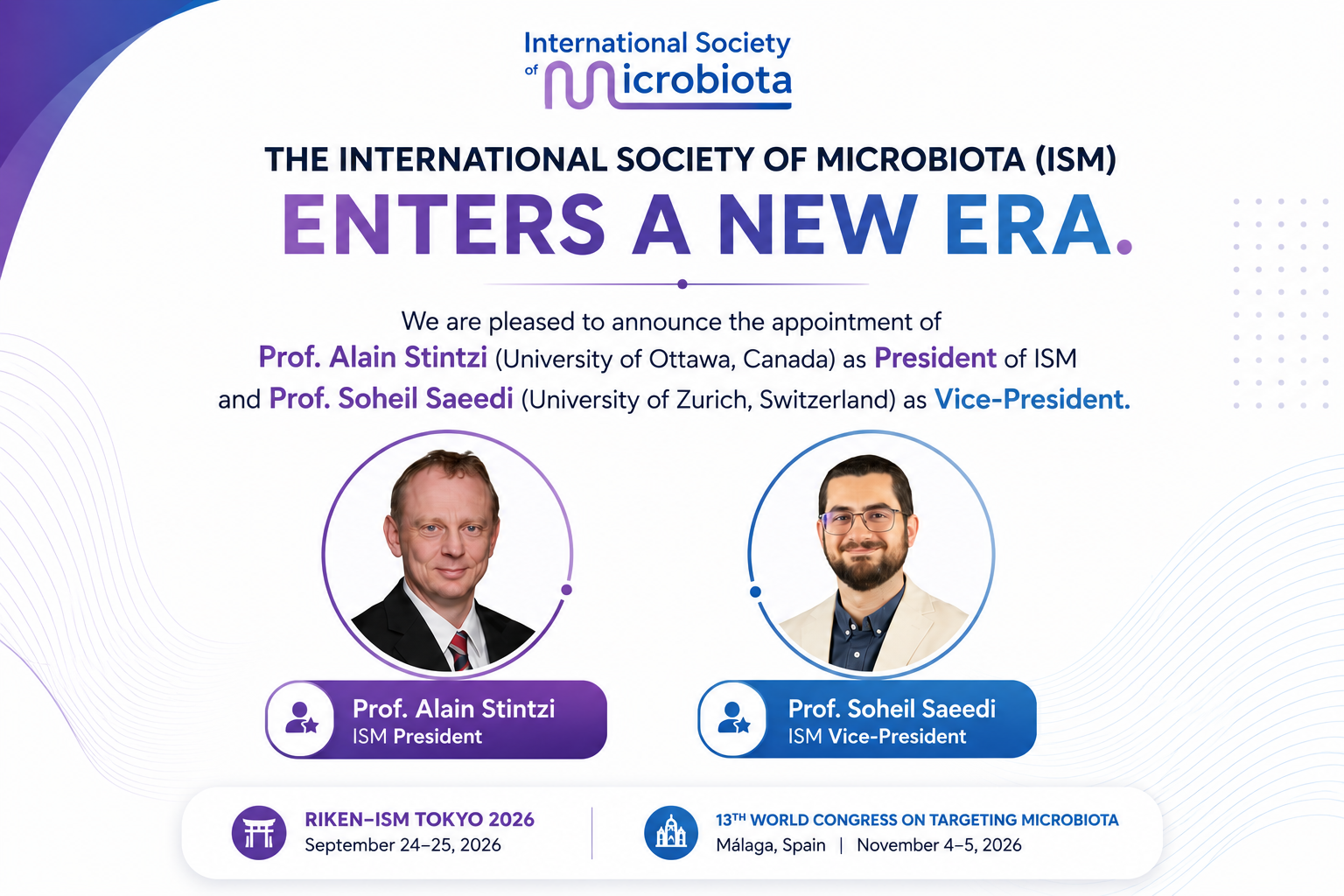
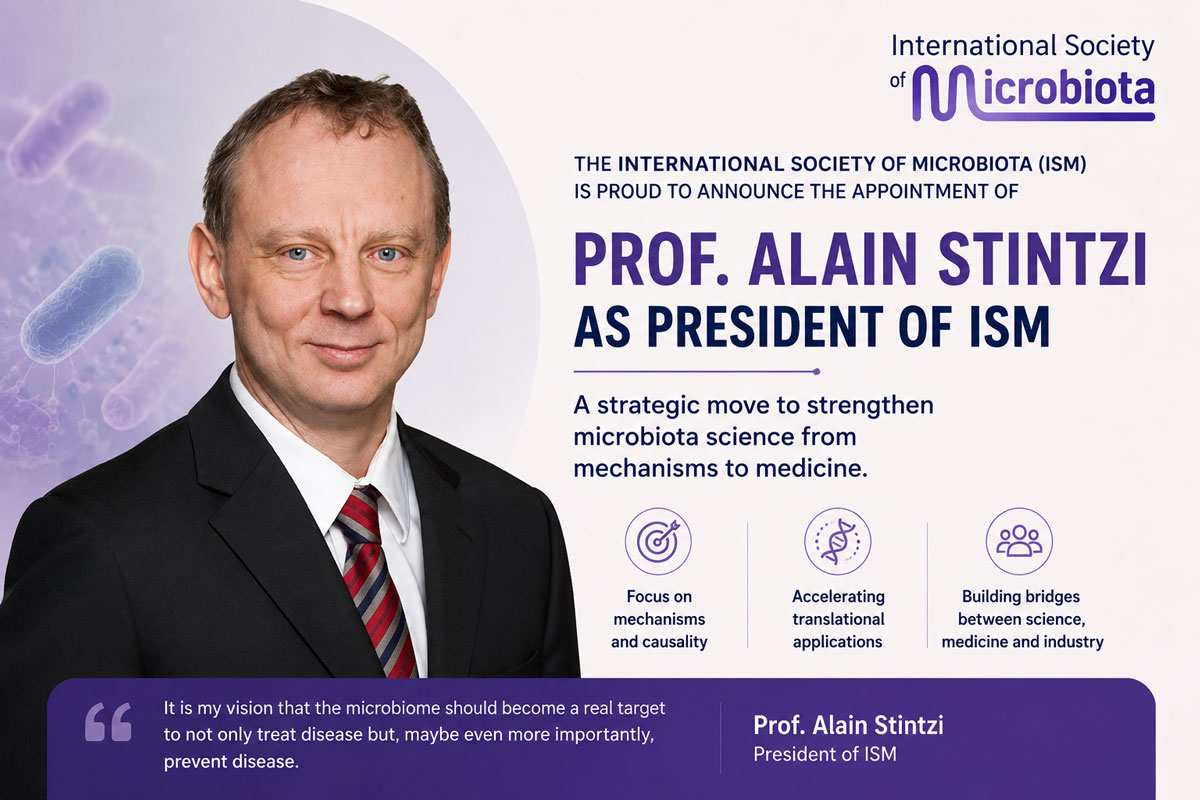 The International Society of Microbiota (ISM) has appointed Professor Alain Stintzi as its new President, signaling a clear intention to reinforce scientific rigor and accelerate the transition of microbiota research toward mechanism-driven, clinically actionable, and industrially relevant applications.
Prof. Stintzi, a microbiologist based at the University of Ottawa, Canada, is recognized for his work on host–microbiota interactions and microbial physiology. His research focuses on how microbial ecosystems adapt, interact with the host, and influence health and disease. His approach combines genomics, functional microbiology, and multic-omics integration with translational perspectives, positioning him among researchers shaping the next phase of microbiome science.
His appointment follows his recognition at Tokyo Microbiota 2025, where he received a Scientific Award for his contributions to translational and comparative microbiota research.
“Alain Stintzi brings a clear scientific vision and the ability to structure the field around mechanistic and translational questions,” said Marvin Edeas, Chairman of ISM. “This is exactly what the microbiota field needs as it moves beyond descriptive studies toward applications in medicine.”
At a time when microbiota research is evolving rapidly, ISM is positioning itself at the intersection of academia, clinical research, and industry. The objective is to move from correlation to causality, and from discovery to implementation.
Stintzi’s role will be primarily strategic. He is expected to help define scientific priorities, identify emerging research directions, and strengthen coherence across ISM’s international meetings. His appointment also reflects a broader ambition: to attract major academic and industrial players and to position microbiota science as a central pillar of future medicine.
“It is my vision that the microbiome should become a real target to not only treat disease but, maybe even more importantly, prevent disease. The microbiome should be viewed as a mediator between our environment and exposome and the host. This also means moving beyond associative studies to uncover the underlying mechanisms that can support the development of novel interventions. It requires interdisciplinary collaboration together with a focus on pre-disease stages and prevention to understand how to maintain and restore microbiome functions that support health. By integrating longitudinal microbiome data with clinical and environmental information, it might become possible to develop precision-based interventions that not only improve disease management, but also help sustain health.” said Alain Stintzi.
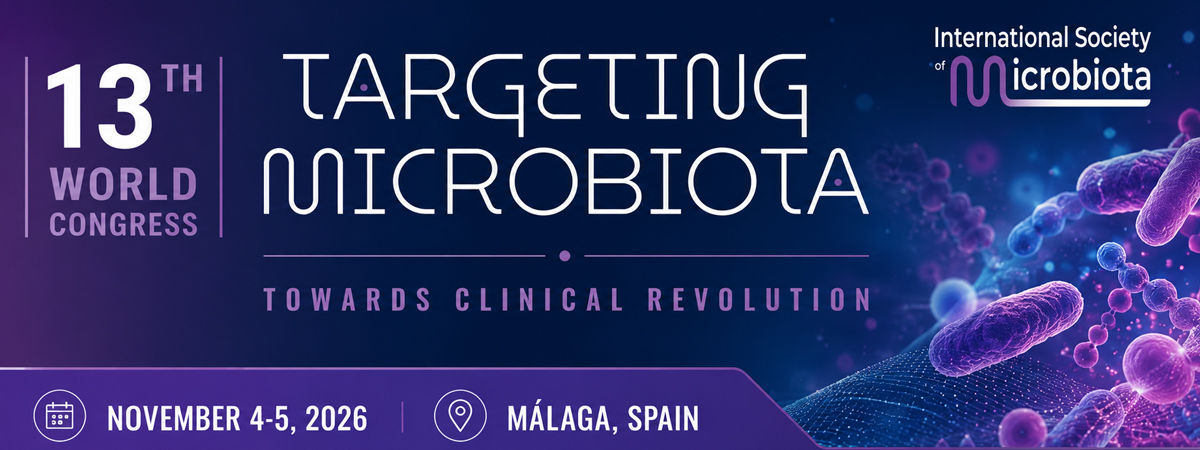
The upcoming ISM 2026 meetings, including the RIKEN–ISM Tokyo meeting (September 24–25, 2026) and Targeting Microbiota 2026 (November 5-6, 2026), will reflect this direction, with a focus on microbial mechanisms, metabolites, and their role in metabolism, immunity, and aging.
About Alain Stintzi
Professor Alain Stintzi is a Full Professor at the University of Ottawa and director of the School of Pharmaceutical Sciences. His work focuses on microbial adaptation, host–pathogen interactions, and gut microbiota dynamics. He is known for integrating molecular microbiology with systems approaches to better understand how microbial ecosystems influence host physiology.
His research bridges fundamental science and translational applications, contributing to the growing effort to position microbiota as a key component of biomedical innovation.
About ISM
The International Society of Microbiota brings together researchers, clinicians, and industry to advance microbiota science and its applications in health and disease.