Alerts
A strategic move to strengthen microbiota science from mechanisms to medicine


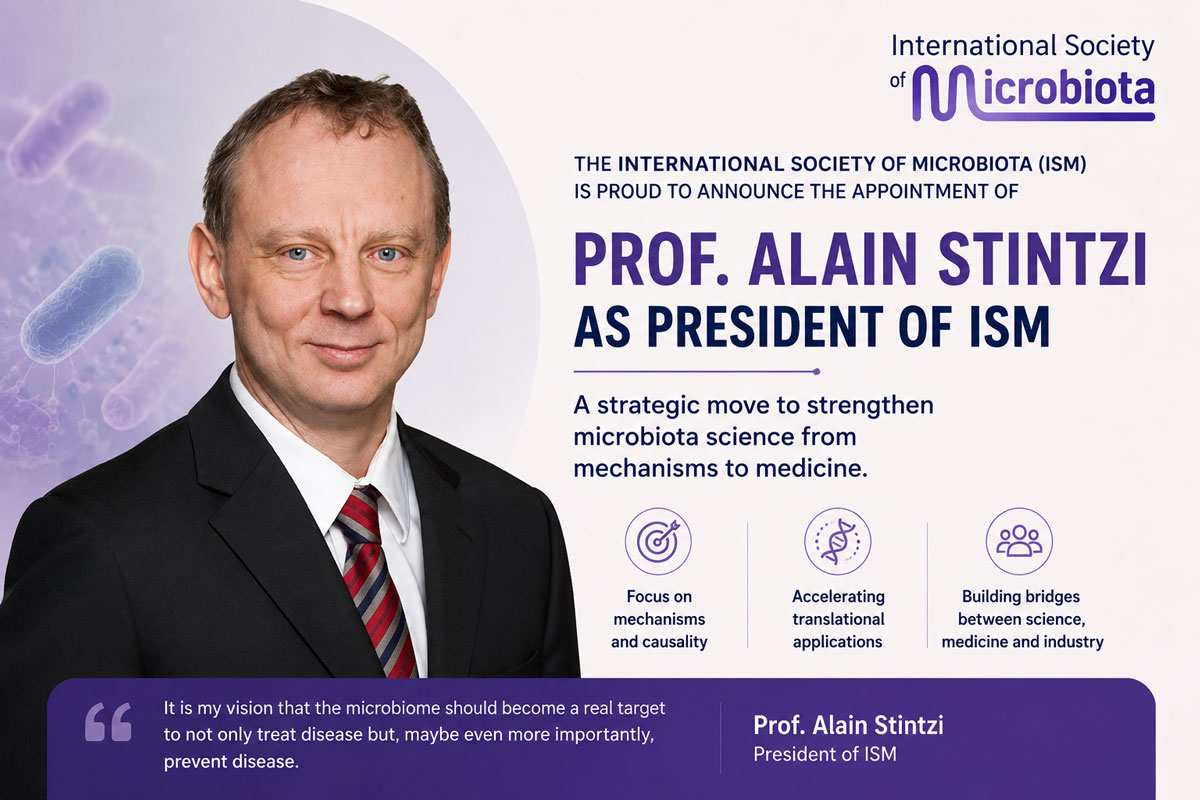 The International Society of Microbiota (ISM) has appointed Professor Alain Stintzi as its new President, signaling a clear intention to reinforce scientific rigor and accelerate the transition of microbiota research toward mechanism-driven, clinically actionable, and industrially relevant applications.
Prof. Stintzi, a microbiologist based at the University of Ottawa, Canada, is recognized for his work on host–microbiota interactions and microbial physiology. His research focuses on how microbial ecosystems adapt, interact with the host, and influence health and disease. His approach combines genomics, functional microbiology, and multic-omics integration with translational perspectives, positioning him among researchers shaping the next phase of microbiome science.
His appointment follows his recognition at Tokyo Microbiota 2025, where he received a Scientific Award for his contributions to translational and comparative microbiota research.
“Alain Stintzi brings a clear scientific vision and the ability to structure the field around mechanistic and translational questions,” said Marvin Edeas, Chairman of ISM. “This is exactly what the microbiota field needs as it moves beyond descriptive studies toward applications in medicine.”
At a time when microbiota research is evolving rapidly, ISM is positioning itself at the intersection of academia, clinical research, and industry. The objective is to move from correlation to causality, and from discovery to implementation.
Stintzi’s role will be primarily strategic. He is expected to help define scientific priorities, identify emerging research directions, and strengthen coherence across ISM’s international meetings. His appointment also reflects a broader ambition: to attract major academic and industrial players and to position microbiota science as a central pillar of future medicine.
“It is my vision that the microbiome should become a real target to not only treat disease but, maybe even more importantly, prevent disease. The microbiome should be viewed as a mediator between our environment and exposome and the host. This also means moving beyond associative studies to uncover the underlying mechanisms that can support the development of novel interventions. It requires interdisciplinary collaboration together with a focus on pre-disease stages and prevention to understand how to maintain and restore microbiome functions that support health. By integrating longitudinal microbiome data with clinical and environmental information, it might become possible to develop precision-based interventions that not only improve disease management, but also help sustain health.” said Alain Stintzi.
The upcoming ISM 2026 meetings, including the RIKEN–ISM Tokyo meeting (September 24–25, 2026) and Targeting Microbiota 2026 (November 5-6, 2026), will reflect this direction, with a focus on microbial mechanisms, metabolites, and their role in metabolism, immunity, and aging.
About Alain Stintzi
Professor Alain Stintzi is a Full Professor at the University of Ottawa and director of the School of Pharmaceutical Sciences. His work focuses on microbial adaptation, host–pathogen interactions, and gut microbiota dynamics. He is known for integrating molecular microbiology with systems approaches to better understand how microbial ecosystems influence host physiology.
His research bridges fundamental science and translational applications, contributing to the growing effort to position microbiota as a key component of biomedical innovation.
About ISM
The International Society of Microbiota brings together researchers, clinicians, and industry to advance microbiota science and its applications in health and disease.
Professor Soheil Saeedi Appointed Vice-President of the International Society of Microbiota
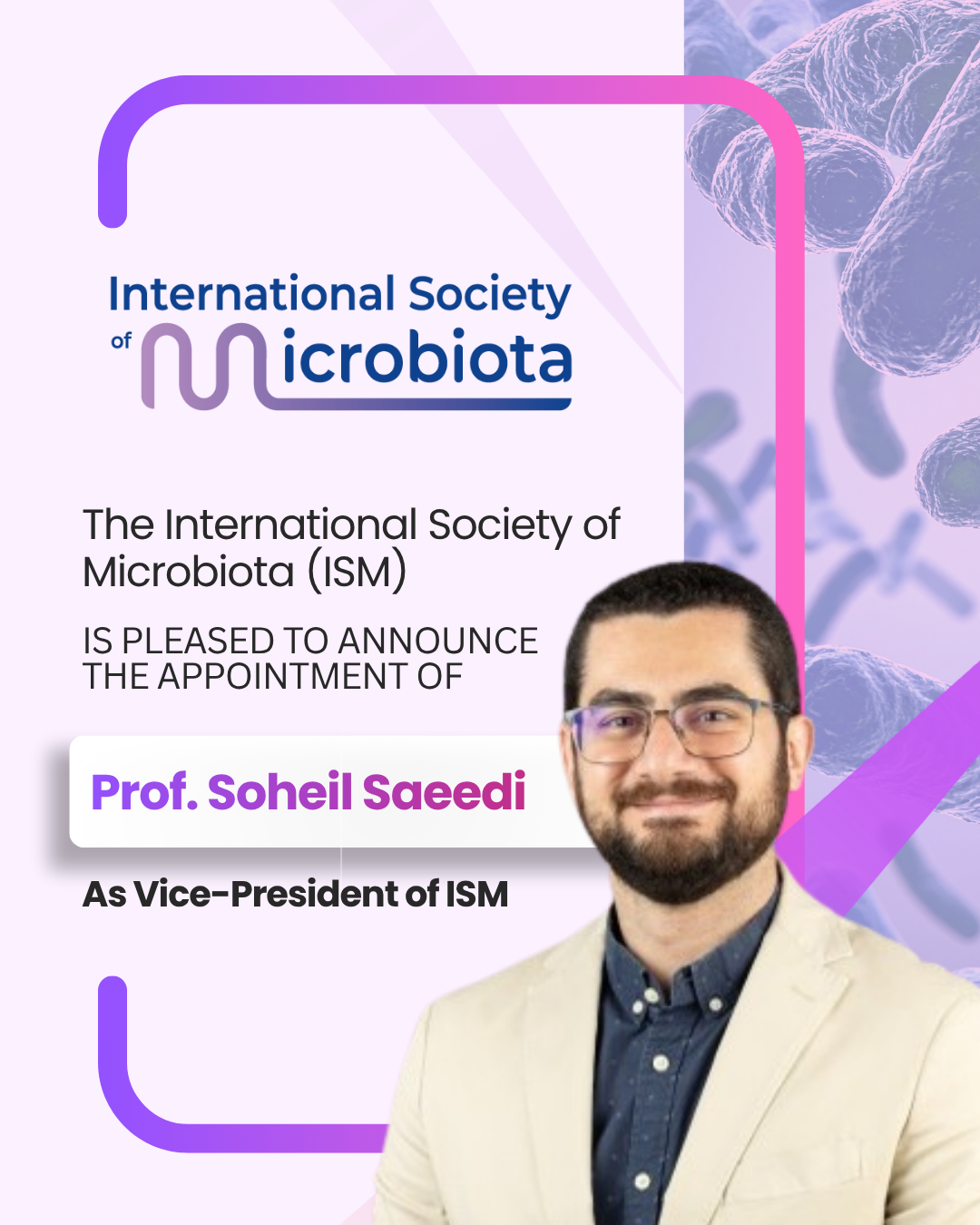
Strengthening the Bridge Between Microbiota Science, Aging, and Precision Medicine
The International Society of Microbiota (ISM) is pleased to announce the appointment of PD. Dr. Soheil Saeedi, University Hospital Zurich and University of Zurich, Switzerland, as Vice-President of ISM.
This appointment reflects ISM’s commitment to strengthening scientific excellence and supporting a new generation of internationally recognized scientists who are advancing microbiota research toward clinical translation and precision medicine.
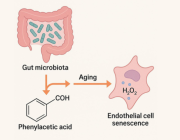
PD. Dr. Saeedi is Group Leader and Head of the Cardiovascular Aging Laboratory at the University Hospital Zurich and University of Zurich. His research focuses on the complex interactions between gut microbiota, cardiovascular aging, and longevity. His lab explores microbial metabolites as biomarkers of aging and develops microbiome-based anti-aging strategies.
Over the past years, he has established himself as an emerging leader in translational microbiome research, combining large-scale aging and cardiovascular disease cohorts with high-throughput technologies, cellular and molecular mechanistic studies, and systems biology approaches to understand how microbial ecosystems influence aging process and age-related cardiovascular diseases.
His work has contributed to the growing recognition that microbiota-derived metabolites are not merely biomarkers but active contributors to vascular senescence, dysfunction, and cardiovascular aging. His research has been published in leading international journals, including Nature Aging, Journal of Clinical Investigation, and Cell Reports, and has attracted increasing attention from both the aging and cardiovascular research communities.
Dr. Saeedi's scientific vision aligns closely with the future direction of ISM: moving microbiota science beyond association studies toward causality, prevention, and therapeutic innovation.
As Vice-President, he will contribute to identifying emerging scientific priorities, strengthening international collaborations, supporting young investigators, and promoting the integration of microbiome science with aging biology, metabolism, cardiovascular medicine, and precision health.
“Microbiome research is entering a transformative period where understanding mechanisms will become essential for developing meaningful interventions,” said Dr. Saeedi. “The future lies in connecting microbial ecosystems with host physiology and metabolism to develop preventive and personalized medicine.”
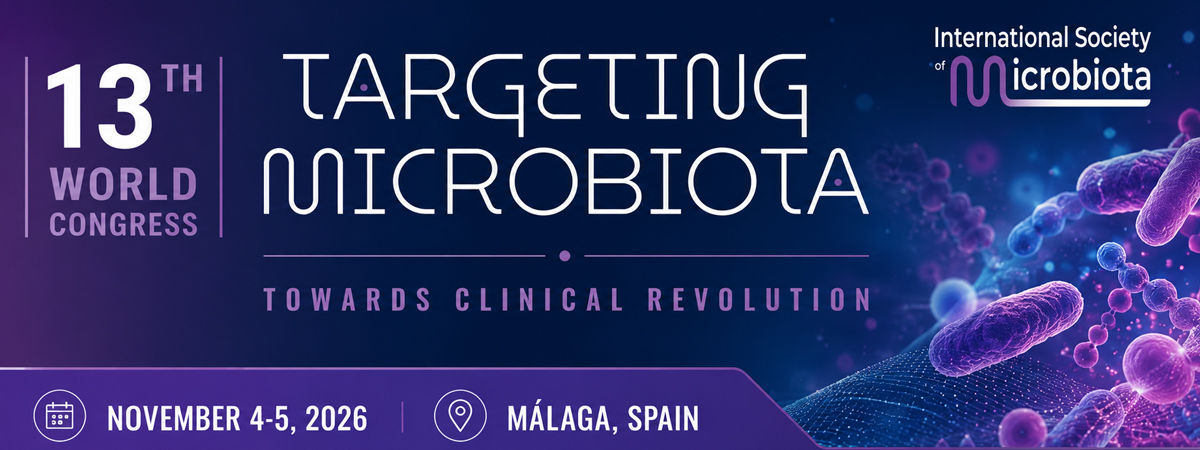
His appointment comes at a time when ISM is expanding its international activities and scientific ambitions through the RIKEN–ISM Tokyo 2026 Meeting and the 13th World Congress on Targeting Microbiota, to be held in Málaga, Spain, on November 4–5, 2026.
Together with President Professor Alain Stintzi, Professor Saeedi will help lead ISM’s mission to strengthen microbiome science, foster innovation, and accelerate the transition from mechanisms to medicine.
For more information -
Read news on LinkedIn
Can Smoking Protect the Gut - and Harm It at the Same Time?
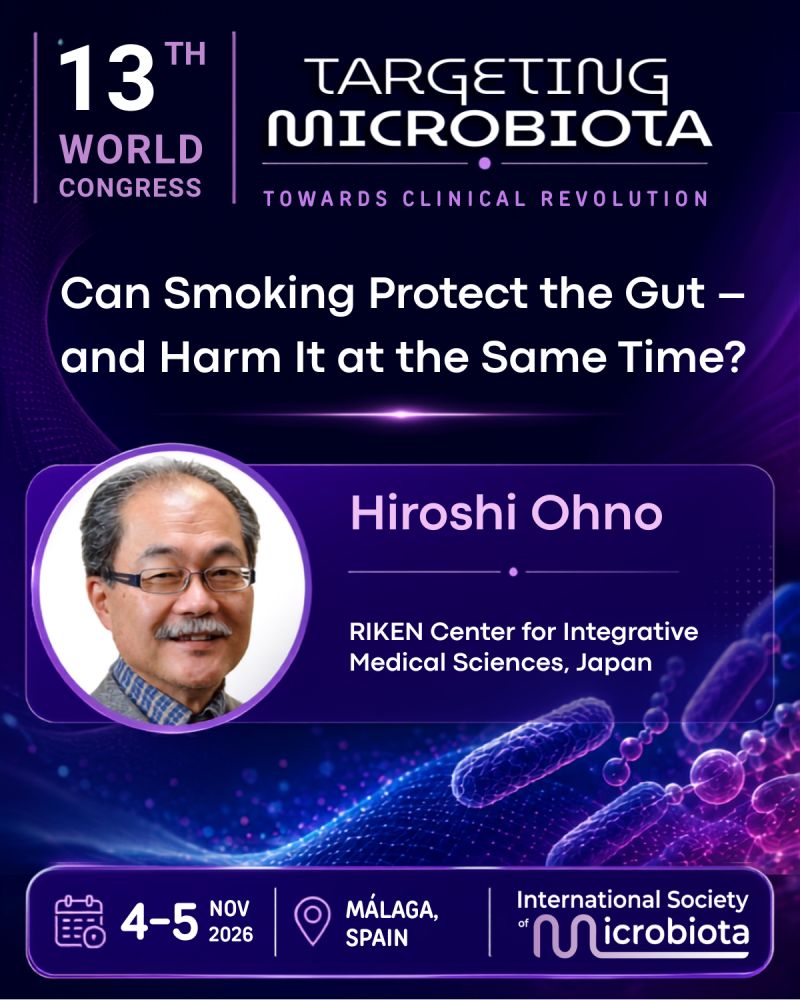
Smoking is a major health risk. Yet in inflammatory bowel disease, it presents a long-standing clinical paradox: it can aggravate Crohn’s disease while sometimes reducing inflammation in ulcerative colitis.
At Targeting Microbiota 2026, Prof. Hiroshi Ohno, from the RIKEN Center for Integrative Medical Sciences, Japan, will explore how the microbiota may help explain this contradiction.
His research indicates that smoking modifies the mucosal microbiota, increases the presence of oral bacteria in the colon, and alters microbial metabolites. One bacterium, Streptococcus mitis, produced strikingly opposite effects: it reduced inflammation in an experimental model of ulcerative colitis but worsened disease in a Crohn’s model.
This is not a discussion about recommending smoking.
It is about understanding how the same environmental exposure can reshape the gut ecosystem and trigger completely different immune responses depending on the disease context.
Smoking, Microbiota and Immunity: Solving a 40-Year Clinical Paradox
A provocative lecture that could open new perspectives on IBD mechanisms, patient stratification and microbiota-targeted interventions.
For more information: LinkedIn
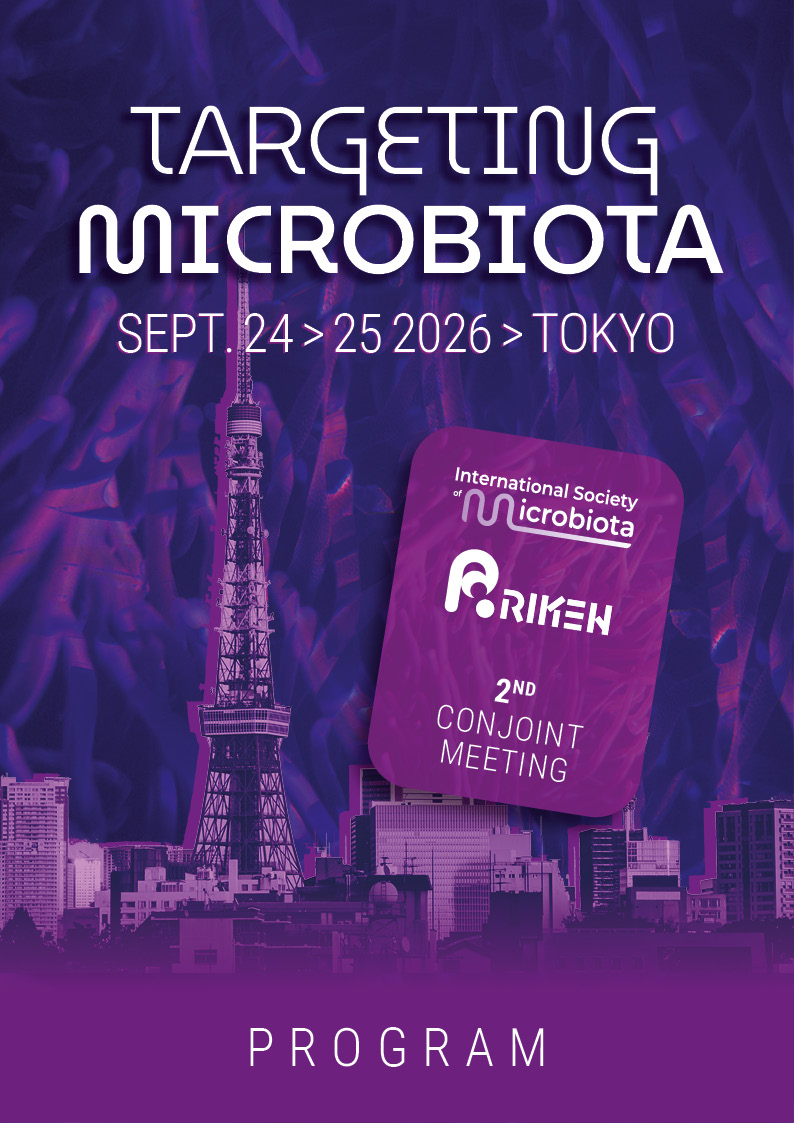
Could Microbial Metabolites Redefine Precision Nutrition?
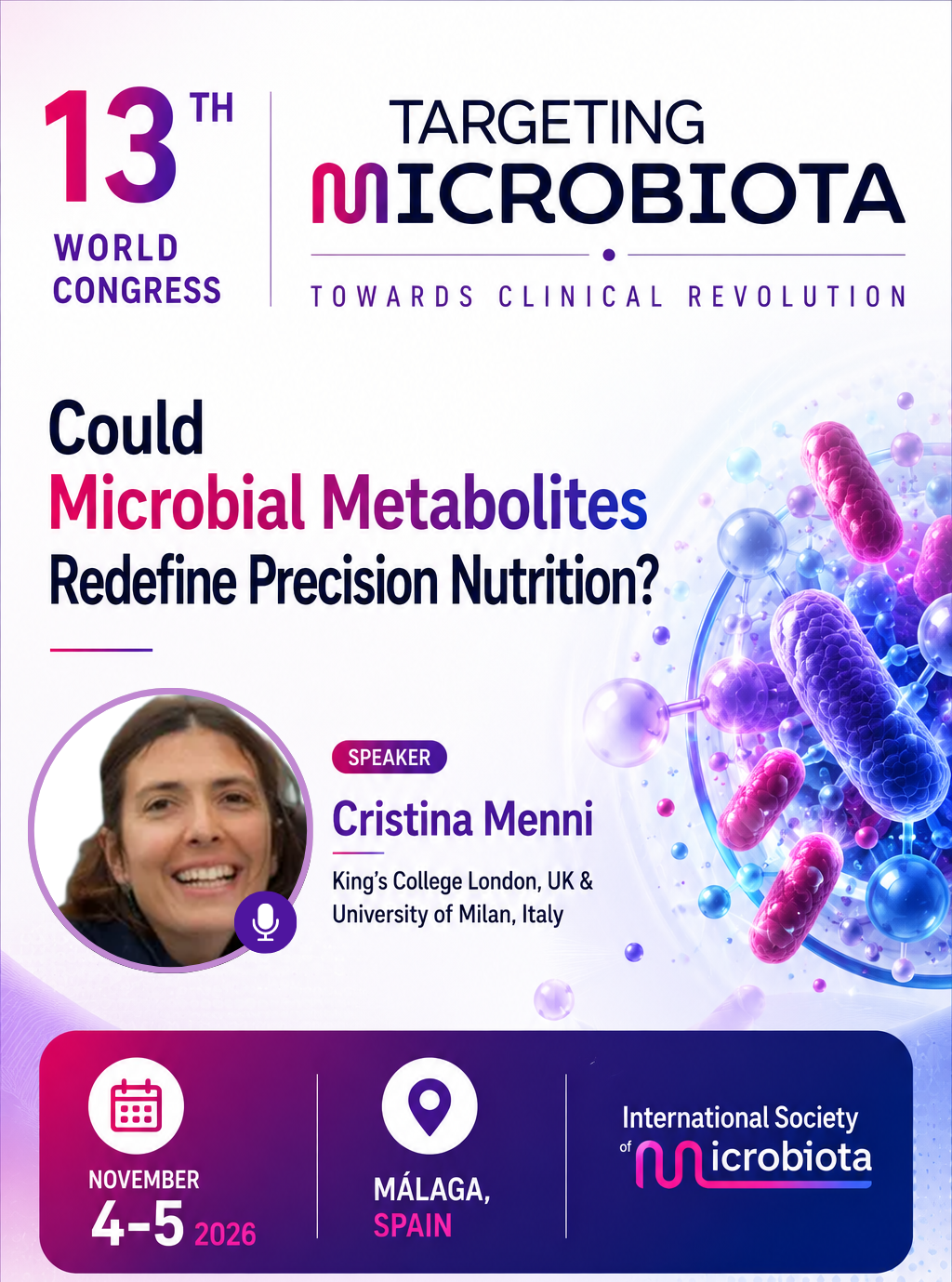
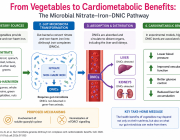
For years, microbiome research has focused on which microbes inhabit our gut. But perhaps the most important question is no longer who is there. It is what they produce. At the 13th World Congress on Targeting Microbiota 2026, Dr. Cristina Menni from King's College London, UK, and the University of Milan, Italy, will explore how microbial metabolites provide the functional link between diet, the gut microbiome and human health.
Drawing on large population studies, including the TwinsUK cohort, her research demonstrates how metabolomics is moving the field beyond descriptive microbiome profiling toward functional biomarkers capable of improving disease prediction, monitoring dietary interventions and advancing personalised nutrition.
Could microbial metabolites become the key biomarkers that finally bridge diet, the microbiome and precision medicine?
As nutrition science evolves, integrating metabolomics, microbiome science and dietary data has the potential to transform the prevention and management of cardiometabolic diseases.
Researchers working on microbial metabolites, metabolomics, nutrition, cardiometabolic health, precision nutrition and host–microbiome interactions are invited to submit their latest research to the 13th World Congress on Targeting Microbiota, Málaga, Spain, November 4–5, 2026.
The future of personalised nutrition may depend less on identifying microbes and more on understanding the molecules they produce.
For more information: LinkedIn
A New Chapter for ISM Leadership
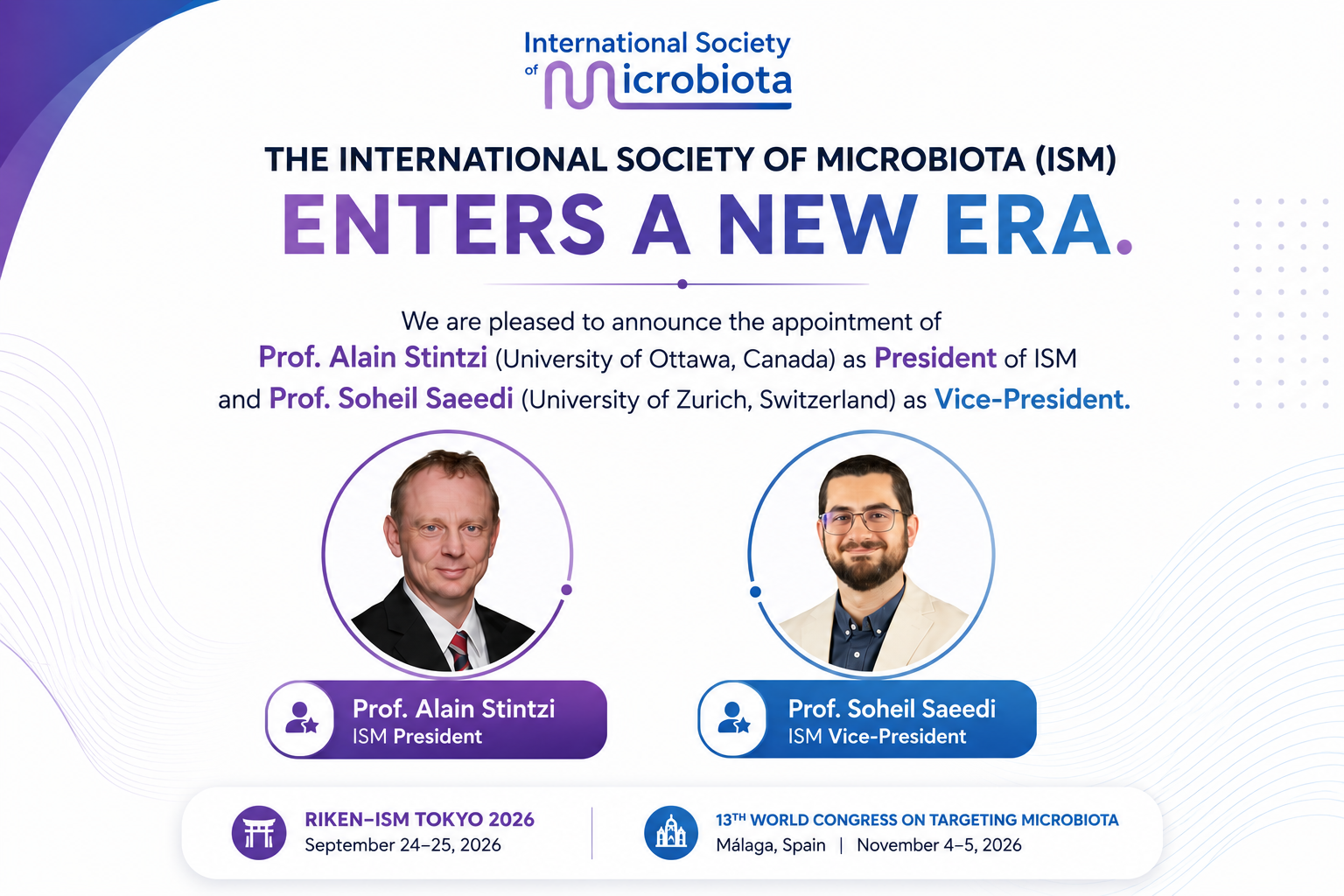
The International Society of Microbiota (ISM) is pleased to announce its new leadership team:
- Prof. Alain Stintzi (University of Ottawa, Canada) – President of ISM
- Prof. Soheil Saeedi (Universitätsspital Zürich & University of Zurich, Switzerland) – Vice-President of ISM
Together, they represent a new scientific momentum for ISM, bringing expertise that spans microbiota science, aging, metabolism, cardiovascular health, systems biology, and translational medicine.
Prof. Alain Stintzi is internationally recognized for his pioneering work on host–microbiota interactions, microbial physiology, and microbiome-driven health and disease mechanisms. His vision is to accelerate the transition from microbiome discovery to prevention, intervention, and precision medicine.
Prof. Soheil Saeedi is an emerging leader in microbiome and aging research. His work has helped reveal how microbial metabolites influence vascular aging, longevity, and age-related diseases, opening new opportunities for preventive and personalized medicine.
“Alain Stintzi and Soheil Saeedi bring complementary expertise, scientific excellence, and a forward-looking vision,” said Prof. Marvin Edeas, Founder and Chairman of ISM. “Together, they will help strengthen ISM's international impact and contribute to shaping the future of microbiota medicine.”
The next step begins with:
- RIKEN–ISM Tokyo 2026 | September 24–25, 2026
- For more information click here - 13th World Congress on Targeting Microbiota | Málaga, Spain | November 4–5, 2026
- For more information home page
We warmly congratulate Alain and Soheil and look forward to building the next generation of microbiota science together.
For more information -
Read news on LinkedIn
Best Scientific Contribution Award - Targeting Microbiota 2025
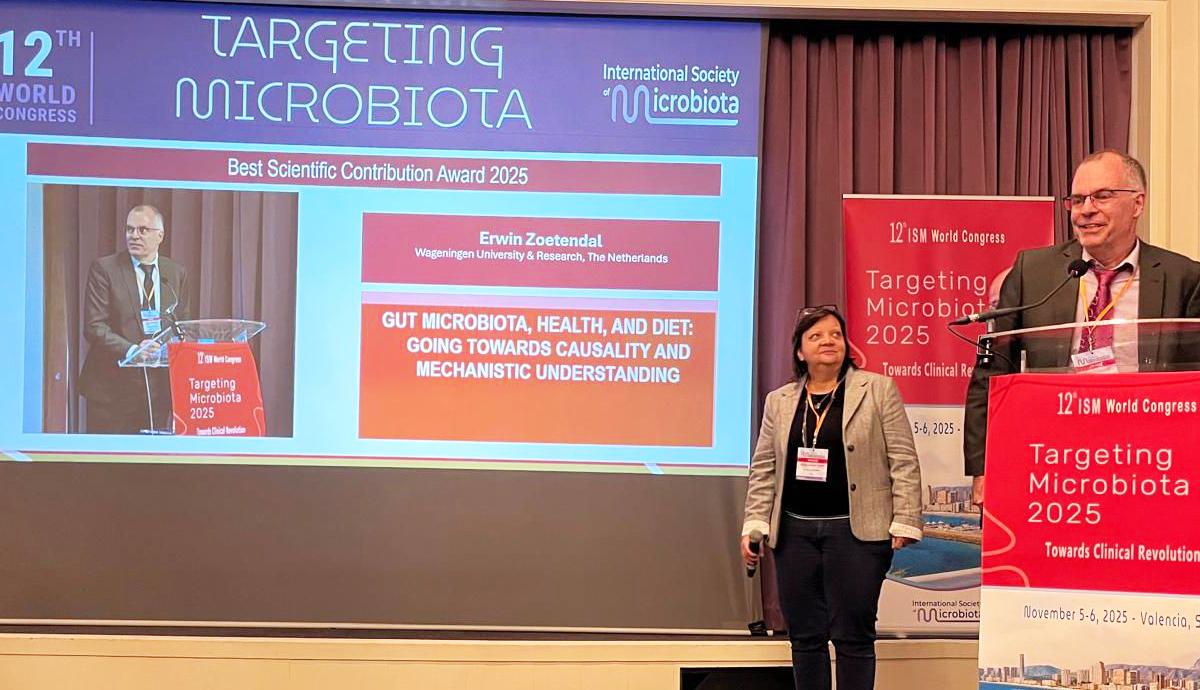
Best Scientific Contribution Award at Targeting Microbiota 2025. We are honored to recognize Prof. Erwin Zoetendal (Wageningen University & Research, The Netherlands) with the Best Scientific Contribution Award 2025.
He opened ISM 2025 Annual meeting by a Keynote title: “Gut Microbiota, Health, and Diet: Going Towards Causality and Mechanistic Understanding”
Prof. Zoetendal’s keynote set the tone of the congress by pushing the field beyond associations, toward causal mechanisms linking diet, microbiota, and human health, a cornerstone for precision nutrition and microbiome-based therapies. Our sincere congratulations and thanks to Prof. Zoetendal for this landmark contribution.
Best Short Oral Presentation Award - Targeting Microbiota 2025
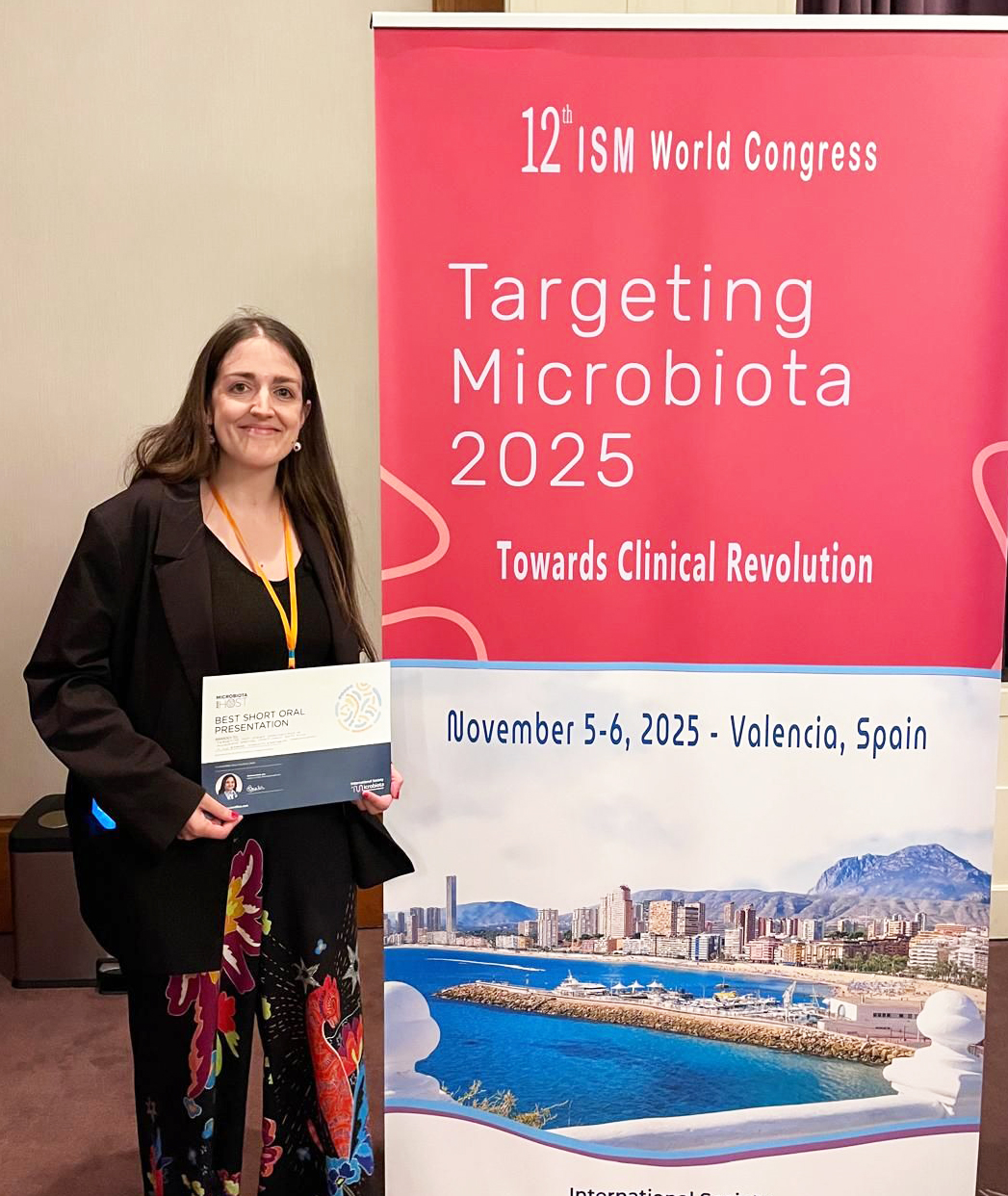 Best Short Oral Presentation Award, Targeting Microbiota 2025 Congratulations to Julia Castillo González (University of Lausanne, Switzerland), recipient of the Best Short Oral Presentation Award 2025 at the 12th World Congress on Targeting Microbiota in Valencia.
She talked about “Targeting Post-Stroke Infections: Role of Microbiota-Derived Short-Chain Fatty Acids in Gut Barrier Integrity and Bacterial Translocation”
Her work reveals how SCFAs and gut barrier function may shape the risk of post-stroke infections, pointing toward innovative microbiome-based strategies in stroke care.
Warm thanks and congratulations to Julia for this high-impact translational research.
Best Poster Presentation Award - Targeting Microbiota 2025
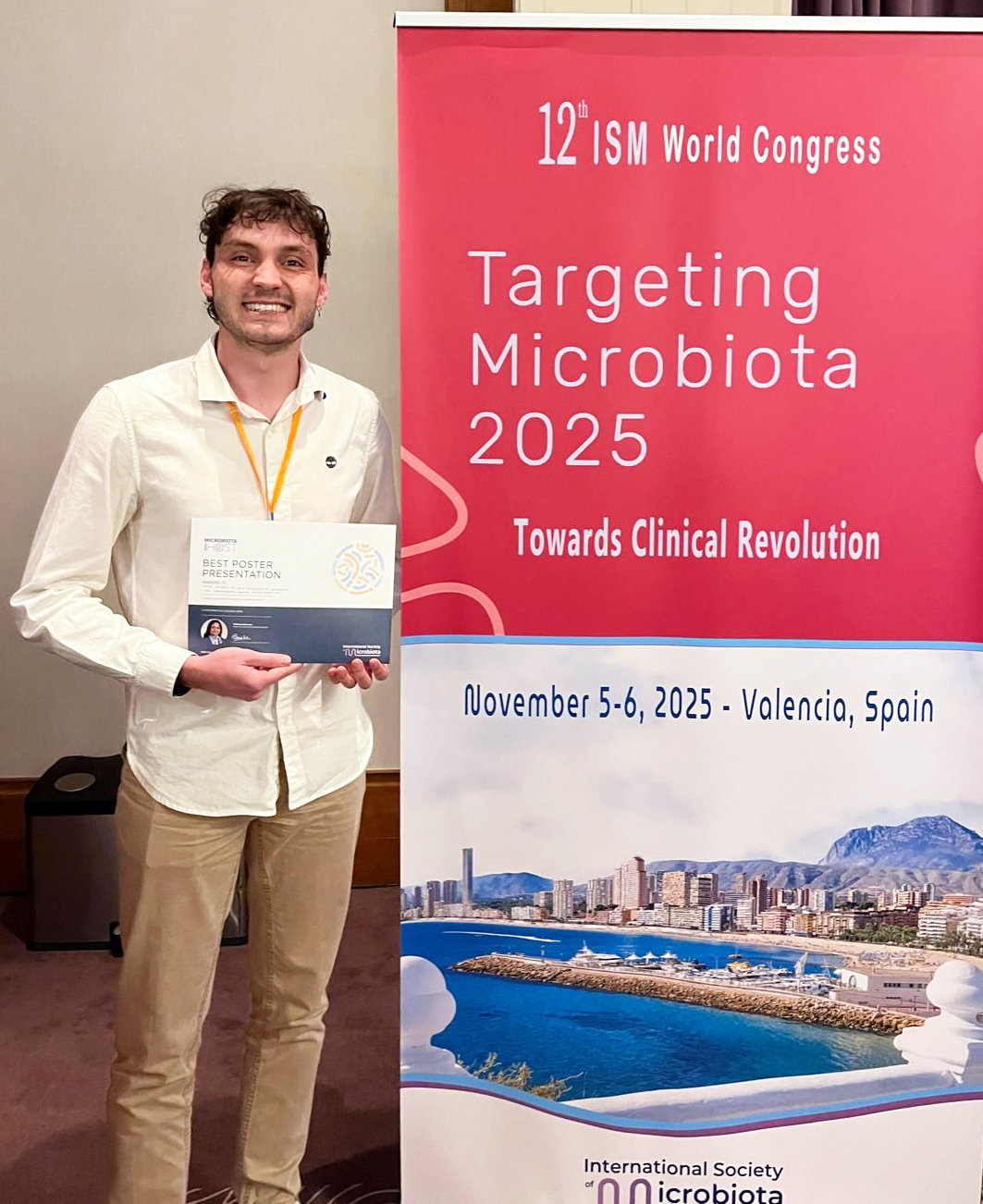 Best Poster Presentation Award, Targeting Microbiota 2025. We are pleased to announce that Davide Pellegrino (University of Torino, Italy) has received the Best Poster Presentation Award 2025 at the 12th World Congress on Targeting Microbiota in Valencia.
Poster title: “The Effect of Gut Microbiota Dysbiosis on Peripheral Nerve Regeneration”
His work highlights how alterations in the gut microbiota may influence peripheral nerve repair, opening new perspectives at the interface of neurology and microbiome science.
Congratulations to Davide for this outstanding contribution
Next Week: Targeting Microbiota 2025. Understanding and Translating the Microbiome
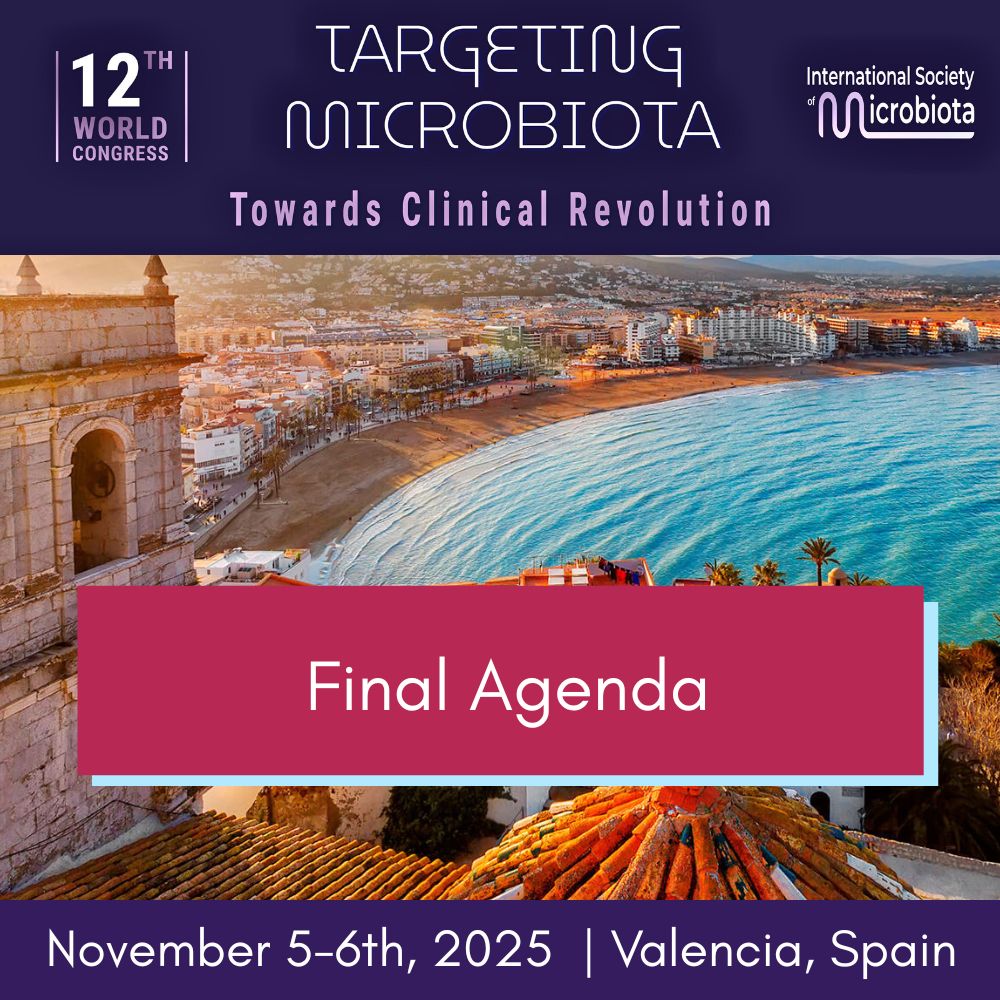
The 12th World Congress on Targeting Microbiota, organized by the International Society of Microbiota (ISM), will take place next week, November 5–6, 2025, at The Westin Valencia, Spain.
Microbiota: From Mechanisms to Medicine
Microbiome research is reshaping the foundations of medicine. What was once a descriptive science is now becoming a driver of diagnostics, therapeutics, and preventive strategies.
The microbiota is emerging as a dynamic organ, able to influence metabolism, cognition, immunity, inflammation, and even therapeutic response. At Targeting Microbiota 2025, scientists and clinicians will address one fundamental question: How can we integrate microbiome knowledge into precision and dynamic medicine?
A Global Platform for Scientific Exchange.
The updated agenda reflects the exceptional scientific quality of this year’s congress:
- 97 accepted communications (oral and poster presentations)
- 193 participants from 23 countries representing leading universities, hospitals, and biotech companies
- Sessions dedicated to microbiota–brain interactions, aging biology, metagenomics standards, and clinical microbiome applications
Impact on the Medicine of Tomorrow: Discussions in Valencia will help define how microbiome science will guide the next generation of diagnostics, personalized nutrition, immune modulation, and therapeutic innovation.
By decoding the dialogue between the microbiota and the host, researchers are paving the way toward predictive, preventive, and personalized medicine, the true medicine of tomorrow.
The Accepted Posters list will be added shortly.


Keynote Speaker 2025 - Dr. Erwin Zoetendal
 The International Society of Microbiota is honored to announce that Professor Erwin Zoetendal, Professor at the Laboratory of Microbiology, Wageningen University (The Netherlands), will join Targeting Microbiota 2025 as a keynote speaker. His talk, entitled: “Gut Microbiota, Health and Diet: How to Move from Correlations to Causality and Mechanistic Understanding?”
Good Bacteria on Our Skin May Help Protect Us from Sun Damage
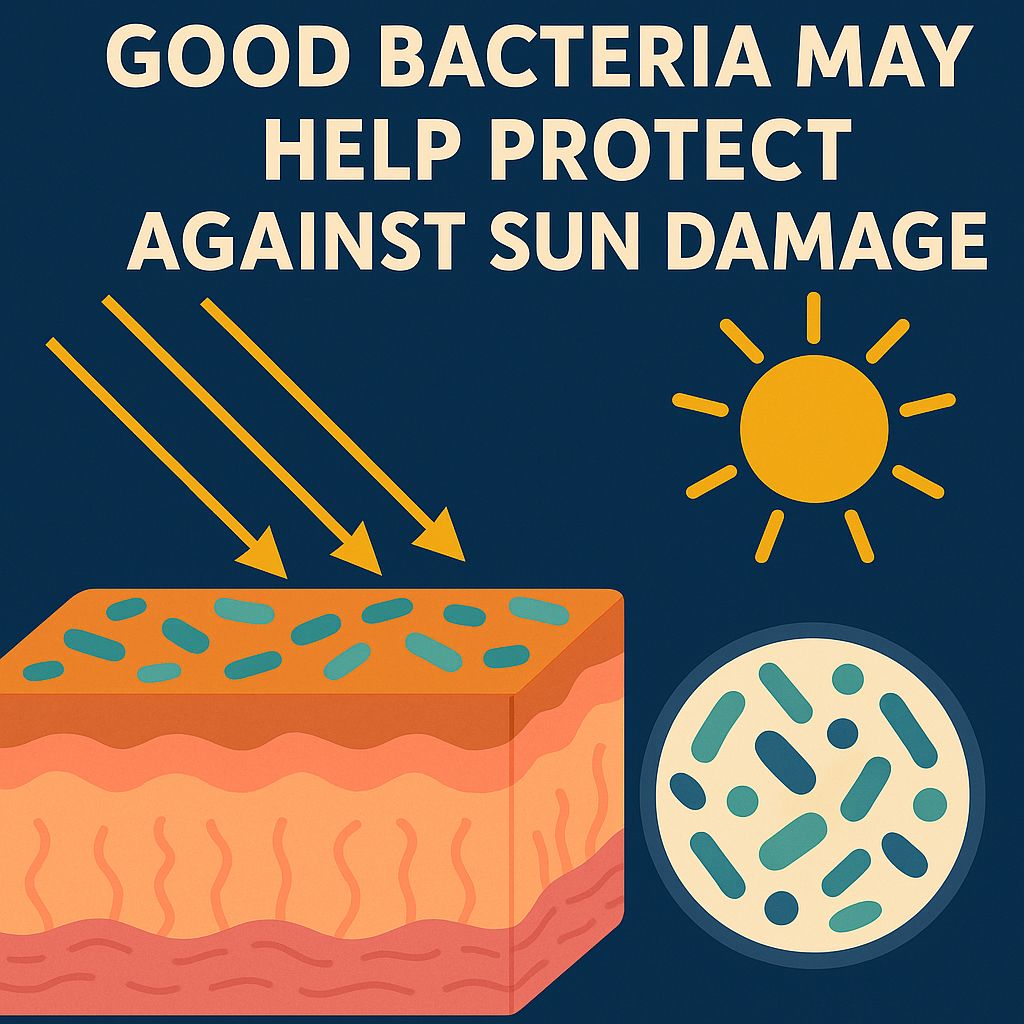
A new study published in the Journal of Investigative Dermatology shows that some of the bacteria naturally living on our skin can help protect us from the harmful effects of sunlight.
- What Did Scientists Discover?
When our skin is exposed to UVB rays from the sun, it produces a molecule called cis-urocanic acid, which can suppress our skin’s immune response. This means it can weaken our skin’s ability to defend itself. But researchers found that certain skin bacteria—those that produce an enzyme called urocanase—can break down this molecule. In doing so, they reduce its negative effects and help the skin maintain a healthier immune balance.
- How Did They Test This?
The scientists used lab-grown bacteria, immune tests, and special mice to confirm that:
- These “good” bacteria really do change the way skin responds to UV.
- Removing or changing these microbes affects how well the skin defends itself.
- What Experts Say
• Dr. VijayKumar Patra, lead author of the study, said:
“We were amazed to see that bacteria on the skin can help manage how sunlight affects our immune system.”
• Dr. Peter Wolf, another senior researcher, added:
“This could lead to new types of sun protection—ones that support healthy skin bacteria instead of just blocking sunlight.”
- Why It Matters
This discovery could lead to:
- Smarter sunscreens that support or include beneficial bacteria.
- Better skin treatments for diseases like eczema or psoriasis that use UV light therapy.
- New ways to protect against skin cancer by boosting the skin’s natural defenses.
- Reference
How Gut Inflammation May Trigger Brain Disorders
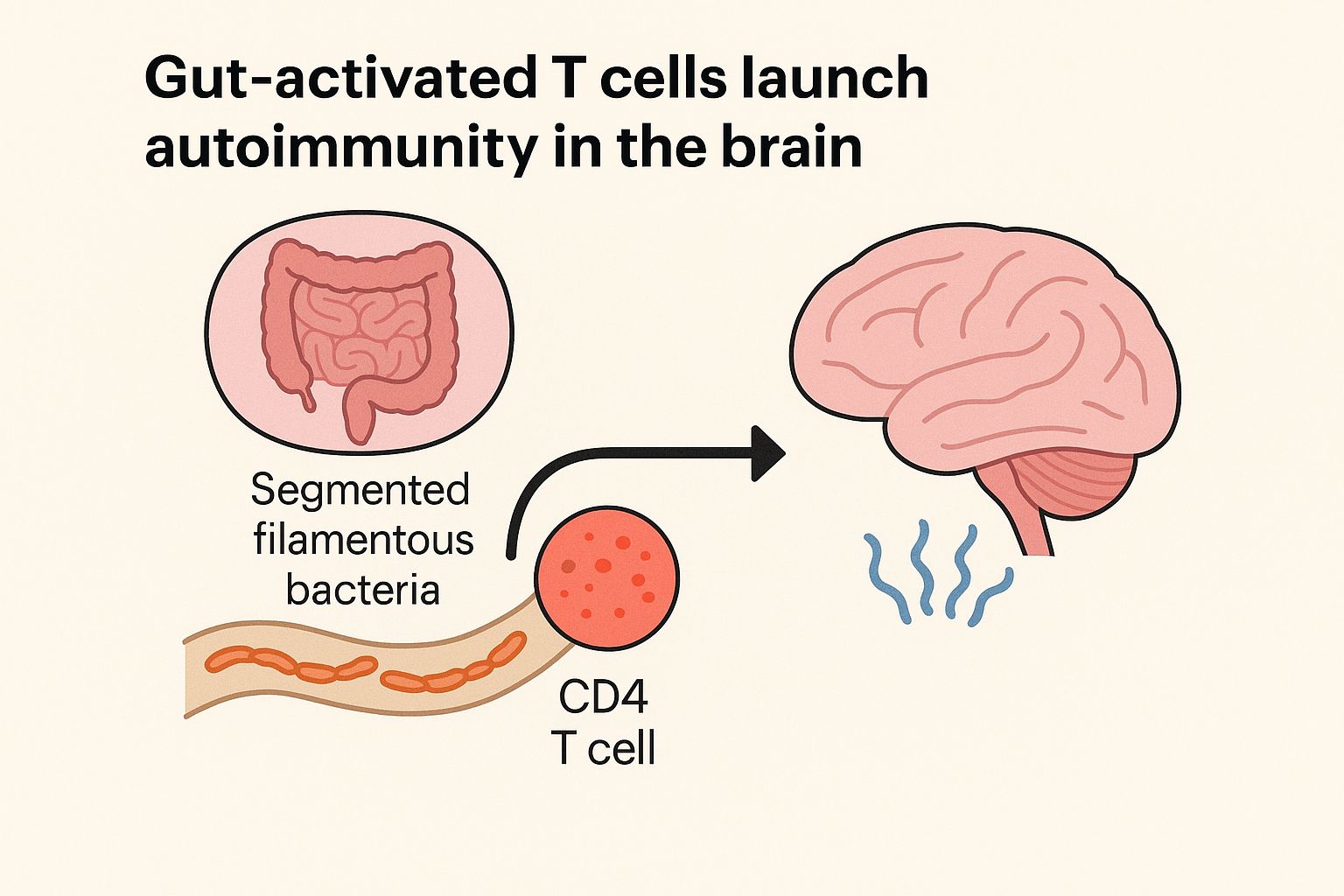
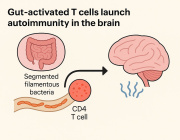
In a major advance for microbiota and neuroimmunology research, a new study led by Sano Teruyuki reveals a mechanistic link between intestinal inflammation and central nervous system (CNS) pathology.
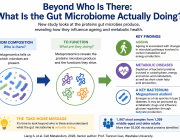
While the gut microbiome has long been implicated in diseases ranging from IBD to neurodegeneration, this study demonstrates how gut-primed CD4⁺ T cells, trained to recognize segmented filamentous bacteria (SFB), can infiltrate the CNS—a normally sterile environment—and initiate neuroinflammation.
Key mechanistic insights:
- Microbiota-specific CD4⁺ T cells (T_comm) activated in the inflamed gut acquire the capacity to enter the CNS.
- These T cells can be re-stimulated in the brain via molecular mimicry, misidentifying host-derived antigens as microbial.
- Upon reactivation, they secrete high levels of GM-CSF, IFNγ, and IL-17A, which drive microglial activation and CNS inflammation.
- Impaired immune regulation—such as loss of regulatory T cells—facilitates this pathogenic migration.
- Immune checkpoint blockade therapies (e.g., anti-PD-1/CTLA-4) exacerbate this process, suggesting a mechanism for neurotoxic side effects observed in some cancer patients.
This work highlights a gut–brain–immune axis with major implications for understanding and managing immune and neuroinflammatory diseases.
Microbiota Medicine – Major Advances and Clinical Translation
 The human microbiome plays a crucial role in health and disease, opening new frontiers in precision medicine. This session will explore the latest breakthroughs in microbiota-based therapies and their translation into clinical practice.
Book Your Hotel with us with Excellent Rate
The Westin Valencia
Amadeo de Saboya, 16, Valencia, 46010, Spain

Take advantage of our exclusive accommodation offer!
The International Society of Microbiota has secured a special discounted rate for attendees of the 12th World Congress on Targeting Microbiota.
If you are interested please contact us at [email protected].
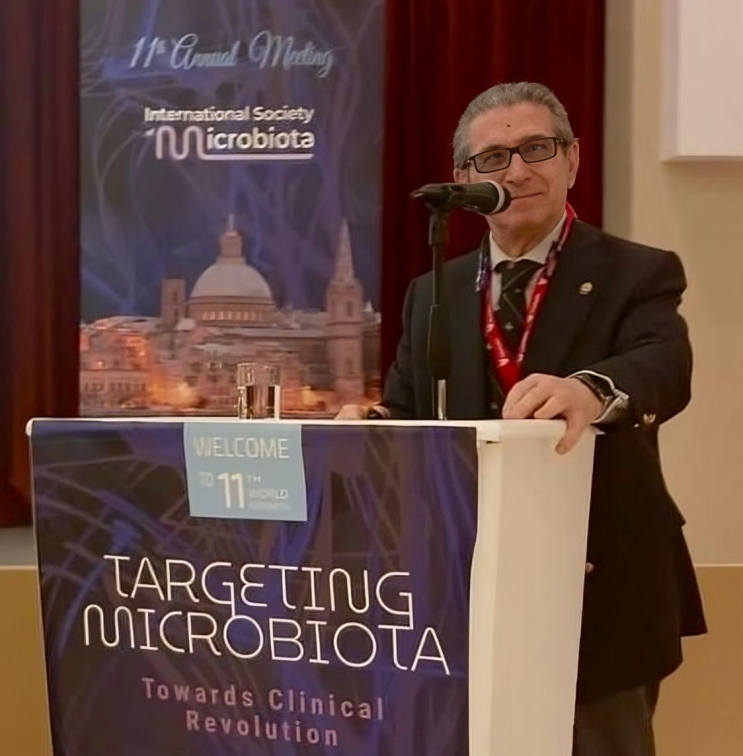
Dr. Carmelo Scarpignato Wins ISM Best Scientific Contribution 2024 for Research on Drug Effects and Gut Microbiota
 |
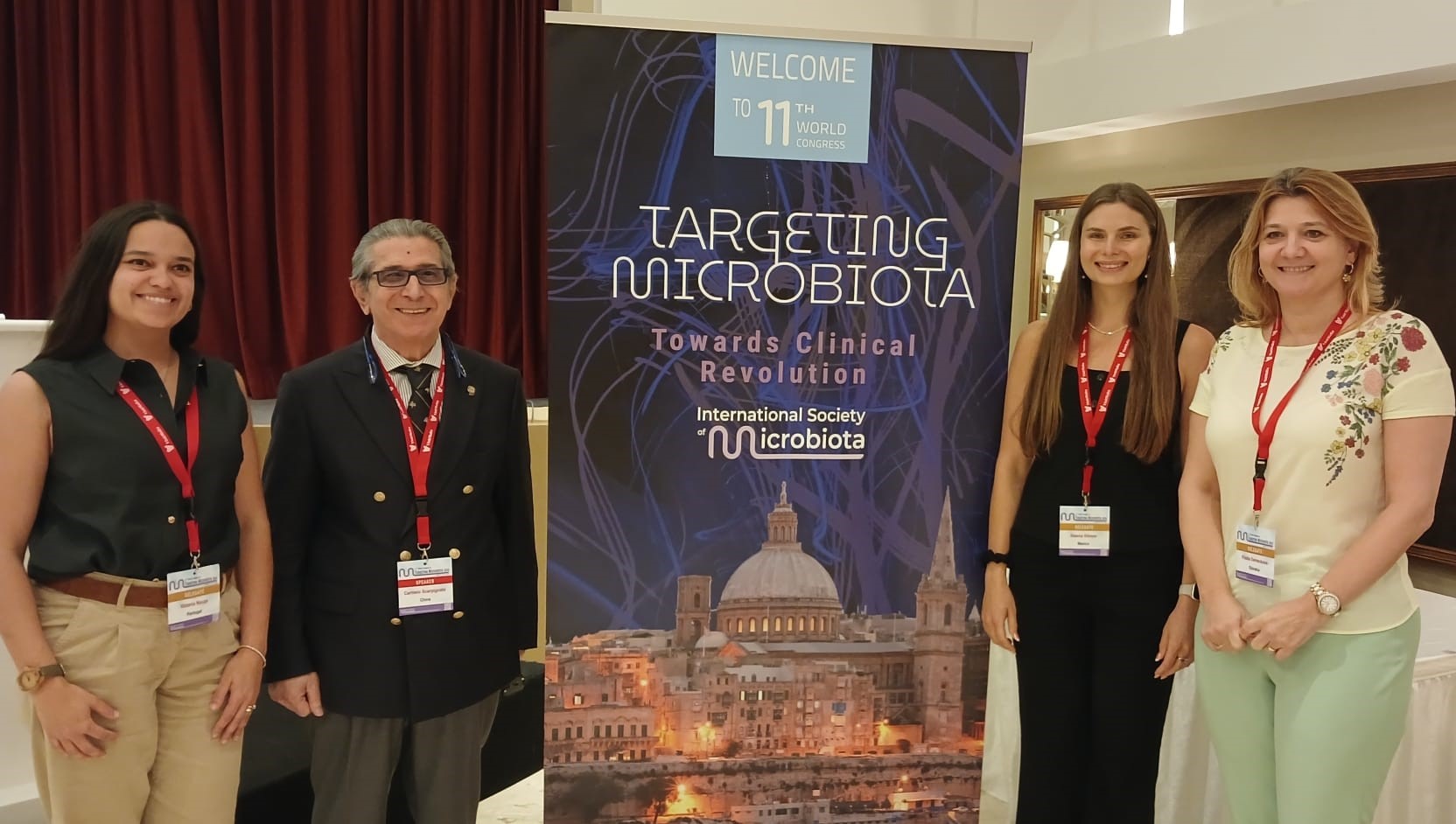 |
We are pleased to announce that Dr. Carmelo Scarpignato, United Campus of Malta & Chinese University of Hong Kong, has won the Best Scientific Contribution Award at the Targeting Microbiota 2024 Conference.
Best Scientific Contribution: "Drug Effects of Gut Microbiota in Humans: Clinical Consequences".
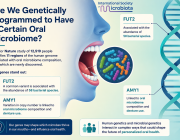
His research highlighted how various drugs—beyond antibiotics—impact gut microbiota, leading to significant clinical consequences. Dr. Scarpignato presented findings on the mechanisms behind drug-induced dysbiosis and introduced the concept of pharmacomicrobiomics, emphasizing its potential in advancing precision medicine.
The ISM thank Dr. Scarpignato for his invaluable contribution to the field.
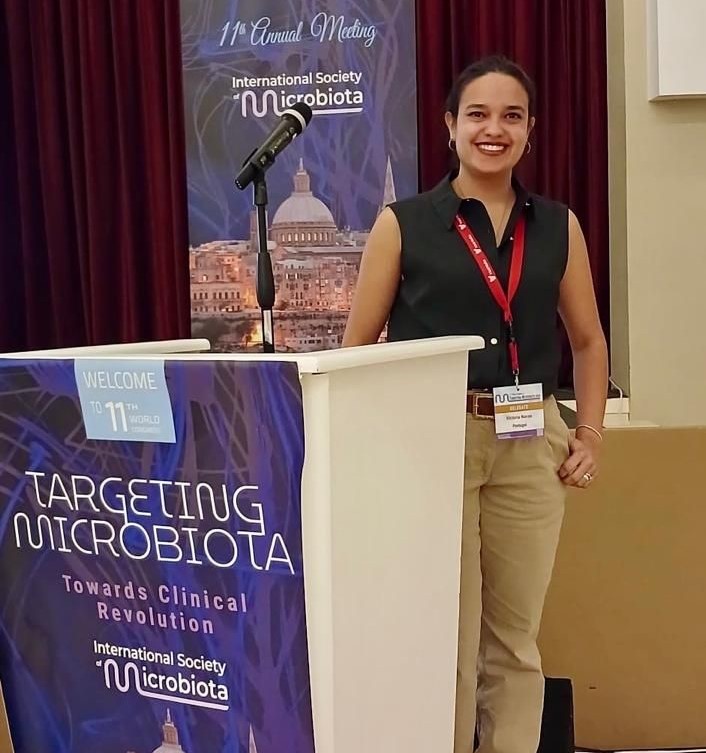
Bac3Gel Win Targeting Microbiota 2024 Best Short Oral Presentation (1)
 |
|
Congratulations to Victoria Navas from Bac3Gel, Portugal, for winning the Best Short Oral Presentation Award (1) at the Targeting Microbiota 2024 Conference.
Award Winning Presentation: "Gut3Gel: Innovative in vitro Platform for Evaluating Microbiome-Modulating Molecules".
Her presentation introduced Gut3Gel, an advanced in vitro platform designed to evaluate microbiome-modulating molecules. This innovative technology aims to enhance our understanding of gut microbiome interactions and their potential therapeutic applications.
About Bac3Gel:
Bac3Gel is at the forefront of transforming wellness and healthcare with its advanced 3D substrates and growth enhancers designed for microbiota culturing and in-vitro modeling. Their innovative solutions simplify culturing processes and enable high-throughput screening, significantly reducing research and development costs. Bac3Gel's gut-specific and customizable mucus models provide unparalleled opportunities for harnessing the full potential of microbiota. Read more.
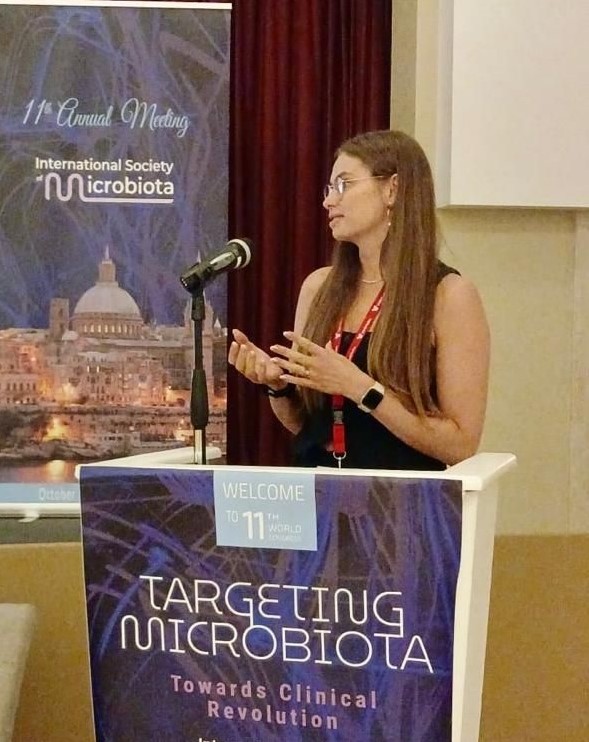
ISM Best Short Oral 2024 (2): Impact of Radio-Chemotherapy on Intestinal Dysbiosis in Cervical Cancer Patients
 |
|
Congratulations to Ksenia Klimov-Kravtchenko and her team from the University of Guadalajara, Mexico, for winning the Best Short Oral Presentation Award at the Targeting Microbiota 2024 Conference.
Award Winning Presentation: "Radio-Chemotherapy Treatment Exacerbates Intestinal Dysbiosis in Cervical Cancer Patients from Western Mexico: Pioneering Study Characterizing Microbiota and NK Cell Exhaustion".
Dr. Klimov-Kravtchenko stated "This study explores the impact of intestinal microbiota on the exhaustion of natural killer cells in cervical cancer patients undergoing radio-chemotherapy. Key findings include an exacerbation of intestinal dysbiosis following treatment, characterized by an increase in bacteria with a pro-inflammatory metabolic profile linked to NK cell exhaustion. The research indicates that interventions targeting intestinal microbiota may represent a promising strategy to enhance anti-tumor responses in cervical cancer."
ISM Best Poster 2024 (2): Indoxyl Sulfate's Role in Dyslipidemia and Cholesterol Gene Expression
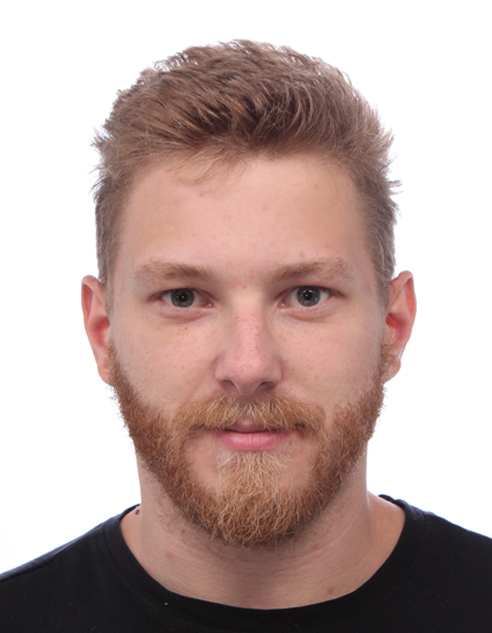 We are pleased to announce that Mateusz Szudzik from the Medical University of Warsaw, Poland, has won the Best Poster Presentation Award (2) at the Targeting Microbiota 2024 Conference.
Award Winning Poster: Indoxyl Sulfate, Gut Microbiome-Derived Uremic Toxin, Couse Dyslipidemia and Alter Gene Expression Related to Cholesterol in the Liver of Rats
Their study investigates indoxyl sulfate (IS), a gut microbiome-derived uremic toxin, and its impact on lipid metabolism in rats. Findings reveal that IS increases total cholesterol, LDL, and triglycerides levels while altering key gene expressions in the liver, suggesting IS as a potential therapeutic target for hyperlipidemia.
Dr. Szudzik stated to the ISM "I am focused on studying the effects of bacterial metabolites—such as trimethylamines, indoles, and short-chain fatty acids—on the development of cardiometabolic diseases. My particular interest lies in how these microbial metabolites regulate cholesterol metabolism, potentially influencing cholesterol homeostasis and contributing to the onset of diseases associated with hypercholesterolemia. By exploring the interactions between bacterial metabolites and host metabolic pathways, my research aims to uncover novel mechanisms that link gut microbiota activity to the progression of cardiometabolic disorders".
ISM Best Poster 2024 (1): Exploring the Mycobiome in Autism Spectrum Disorder
 |
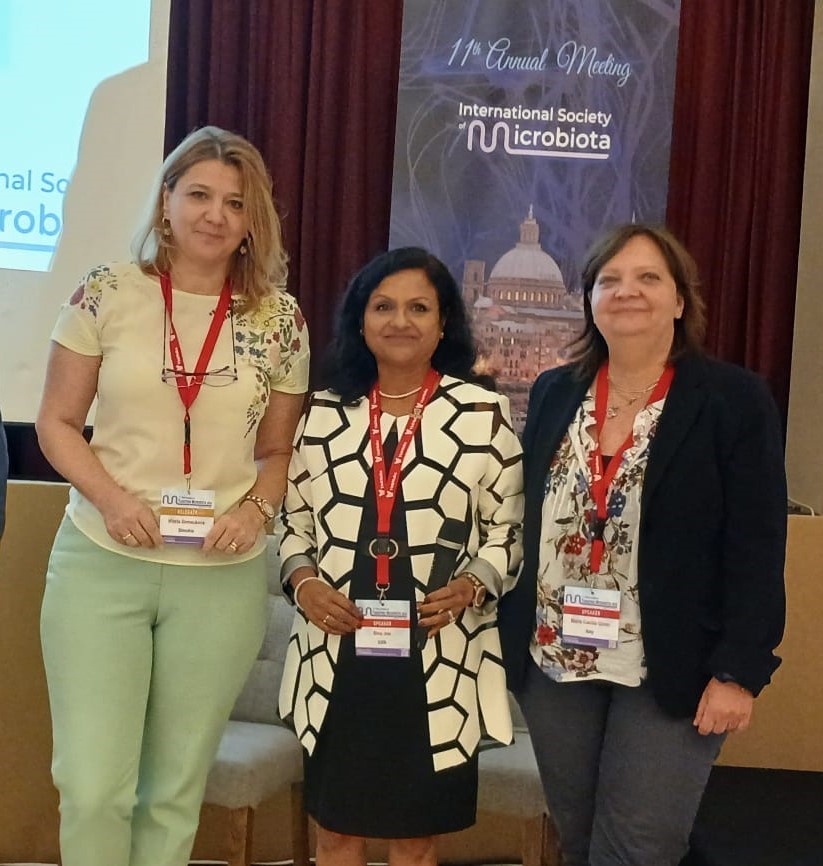 |
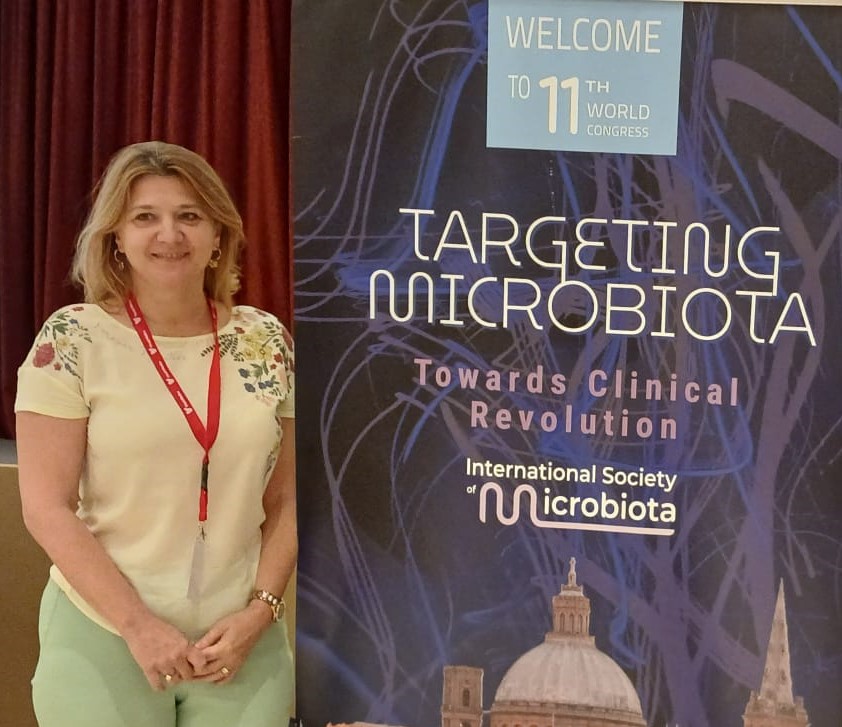
Congratulations to Vlasta Demeckova and her team from Pavol Jozef Safarik University and the University of Veterinary Medicine and Pharmacy in Kosice, Slovakia, for winning the Best Poster Presentation Award at the Targeting Microbiota 2024 Conference.
Award Winning Poster: "Exploring The Mycobiome: Insights Into Fungal Community Differences Between Autism Spectrum Disorder And Healthy Individuals"
Their study reveals significant differences in mycobiome diversity between children with Autism Spectrum Disorder (ASD) and neurotypical (NT) controls. Findings indicate lower fungal diversity and dominance of Saccharomyces and Candida in ASD, highlighting potential therapeutic targets for managing gastrointestinal issues.
Dr. Demeckova stated to ISM:
"For many years, my research has focused on how natural methods can enhance the immune system's ability to combat various diseases. Currently, I am studying the role of microbiota in the pathogenesis of autism spectrum disorder (ASD) and ulcerative colitis (UC).
In ASD, we are exploring how sex-specific microbiomes and gene interactions influence behavioral and gastrointestinal symptoms, using fecal microbiota transplantation (FMT) and probiotic interventions. Additionally, mycobiota, which was a central theme of my award-winning poster, plays a crucial role in immune regulation and gut health. Its involvement in both ASD and UC is a key focus of our ongoing research, as we believe this emerging field holds great potential for advancing our understanding and treatment of these conditions.
In UC, our studies focus on combining FMT with natural additives and beneficial bacterial products to restore gut health and improve bacterial diversity, offering new therapeutic possibilities for inflammatory bowel diseases. Our Laboratory of Gnotobiology, based at the University of Veterinary Medicine and Pharmacy in Košice (Slovakia), specializes in controlled studies of microbial interactions using gnotobiotic techniques. This enables precise research on gut health and immune modulation in both human and veterinary medicine."
Drug Effects of Gut Microbiota in Humans: Clinical Consequences
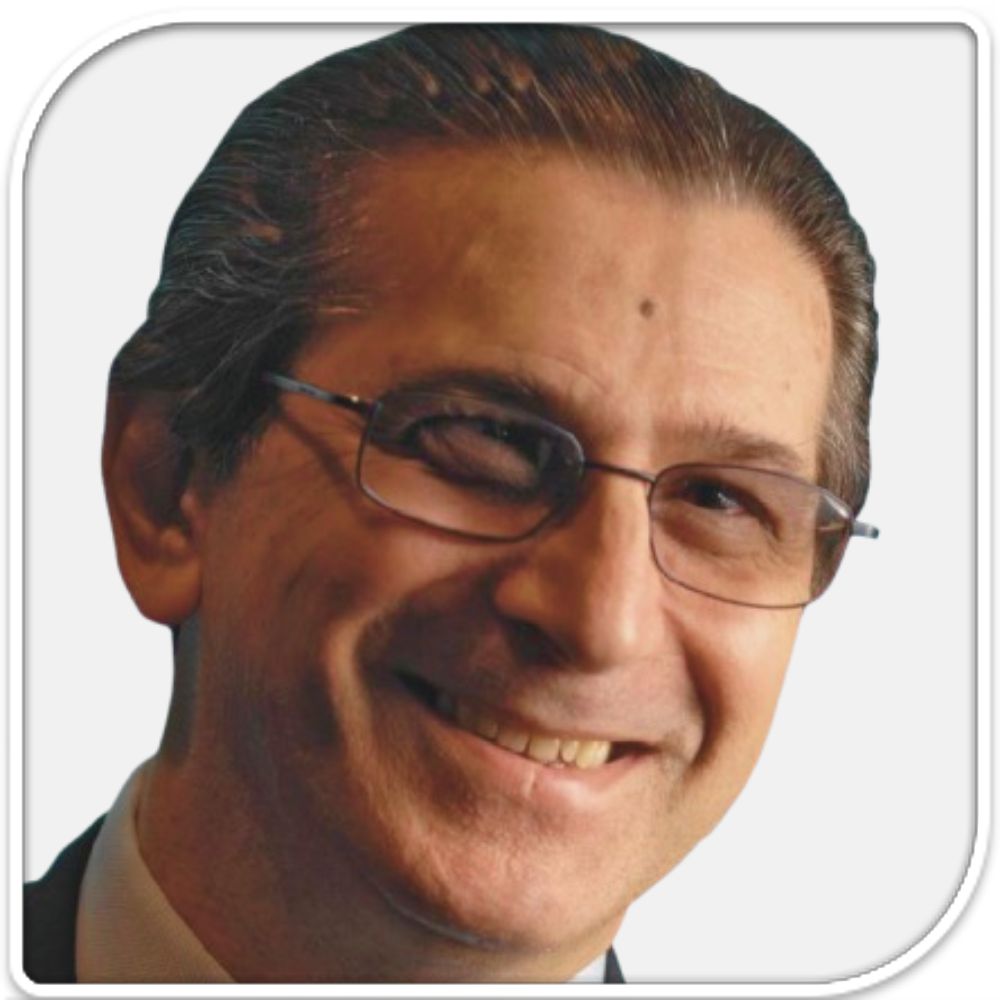 It is a great pleasure to welcome Prof. Carmelo Scarpignato, Chinese University of Hong Kong, China, to Targeting Microbiota 2024 this October.
Prof. Scarpignato will present a talk on "Drug Effects of Gut Microbiota in Humans: Clinical Consequences".
Key Points:
- Intrinsic and extrinsic factors affecting gut micobiota
- Side effects of drugs on human gut microbiota: always undesirable?
- Dysbiosis and leaky gut: clinical consequences
- Effects of some widely used drug classes on human microbiota
About Carmelo Scarpignato
Carmelo Scarpignato graduated in Biochemistry at the University of Messina, and in Medicine and Surgery at the University of Modena in Italy. He is currently Professor of Medicine & Clinical Pharmacology at the Faculty of Health Sciences, LUdeS Lugano Campus, Switzerland & United Campus of Malta, Msida, Malta. He is also Honorary Clinical Professor at Chinese University of Hong Kong and Consultant Clinical Pharmacologist & Gastroenterologist. He has been Visiting Professor at some prestigious European and USA Universities.
Targeting Microbiota 2024 Speakers Line-up.
International Society of Microbiota
Targeting Microbiota 2024 Conference
October 14-15, 2024 - Malta
Press Releases | Newsletters Archive | LinkedIn
Phage Therapy: A New Era of “Old” Concept for “Microbiome” Health
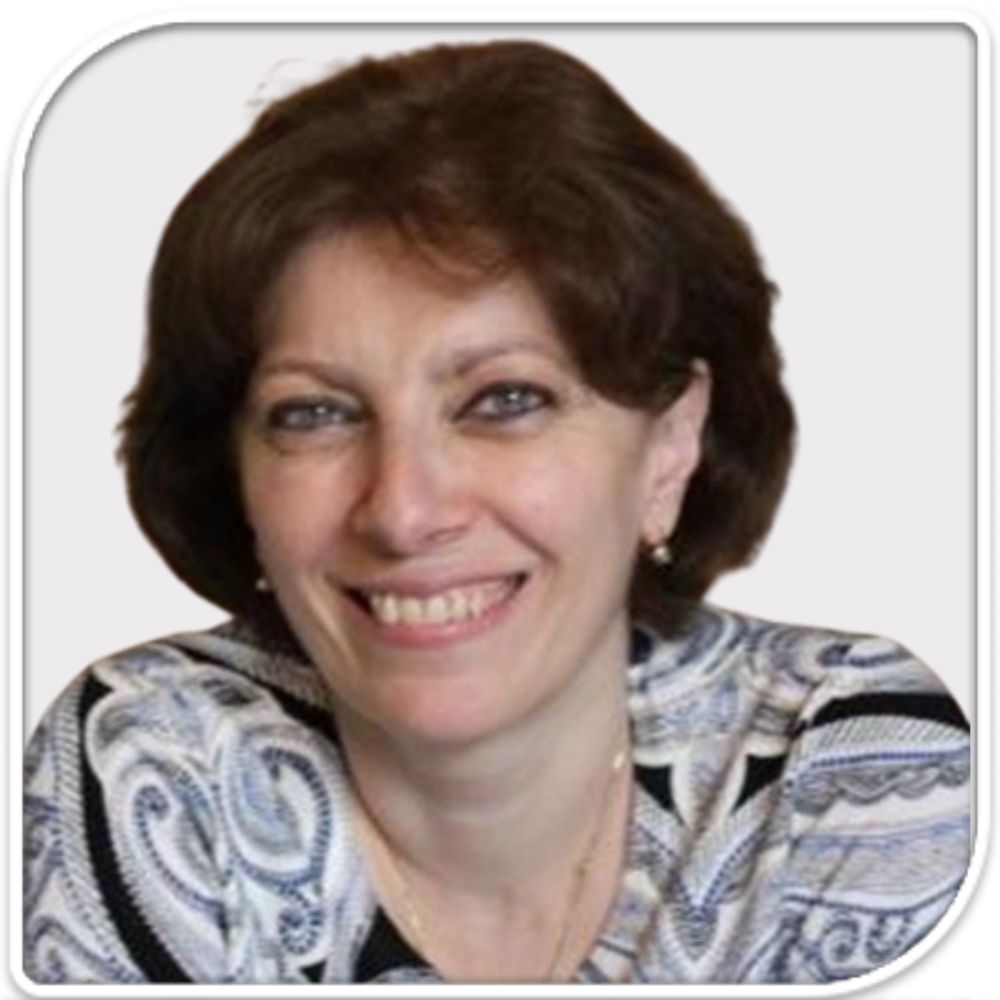 Dr. Mzia Kutateladze, Eliava Institute of Bacteriophage, Georgia, will join Targeting Microbiota 2024 this October will share the latest findings on the use of bacteriophages to manipulate/shape gut and skin microbiomes.
Topic: Phage Therapy: A New Era of "Old" Concept for "Microbiome" Health
About Dr. Kutateladze
Dr. Mzia Kutateladze represents the world-renown G. Eliava Institute of Bacteriophages, Microbiology and Virology, headquartered in Tbilisi, Georgia. Currently, she is the Director of Eliava Institute, as well as the President of the Eliava Foundation, a collection of commercial spin-offs. She oversees, coordinates and manages the research directions and programs of the Institute. She is the author or co-author of more than 80 scientific papers. Her scientific background is in microbiology and molecular biology, bacteriophage research and application. Dr. Kutateladze was a manager and a leading scientist of number of scientific research projects. She is serving as a project and papers reviewer for national and international funding agencies and scientific journals.
Targeting Microbiota 2024 Speakers Line-up.
International Society of Microbiota
Targeting Microbiota 2024 Conference
October 14-15, 2024 - Malta
Press Releases | Newsletters Archive | LinkedIn
More Articles...
- Does the Microbiome Control Cravings and Addictive Behavior of their Host: A New Prospective and Hope for Treating Addiction
- Culturing the Complexity of Intestinal Microbiota In-Vitro in Bac3Gel®
- Using Roseoflavin, a Natural Riboflavin Analogue, to Modify the Human Microbiota
- Prospects for Leveraging the Microbiota as Medicine for Hypertension